
Giving a system with no API a documented REST interface
How we wrap a legacy database safely: read models, controlled writes, and never letting the wrapper become a second source of truth.
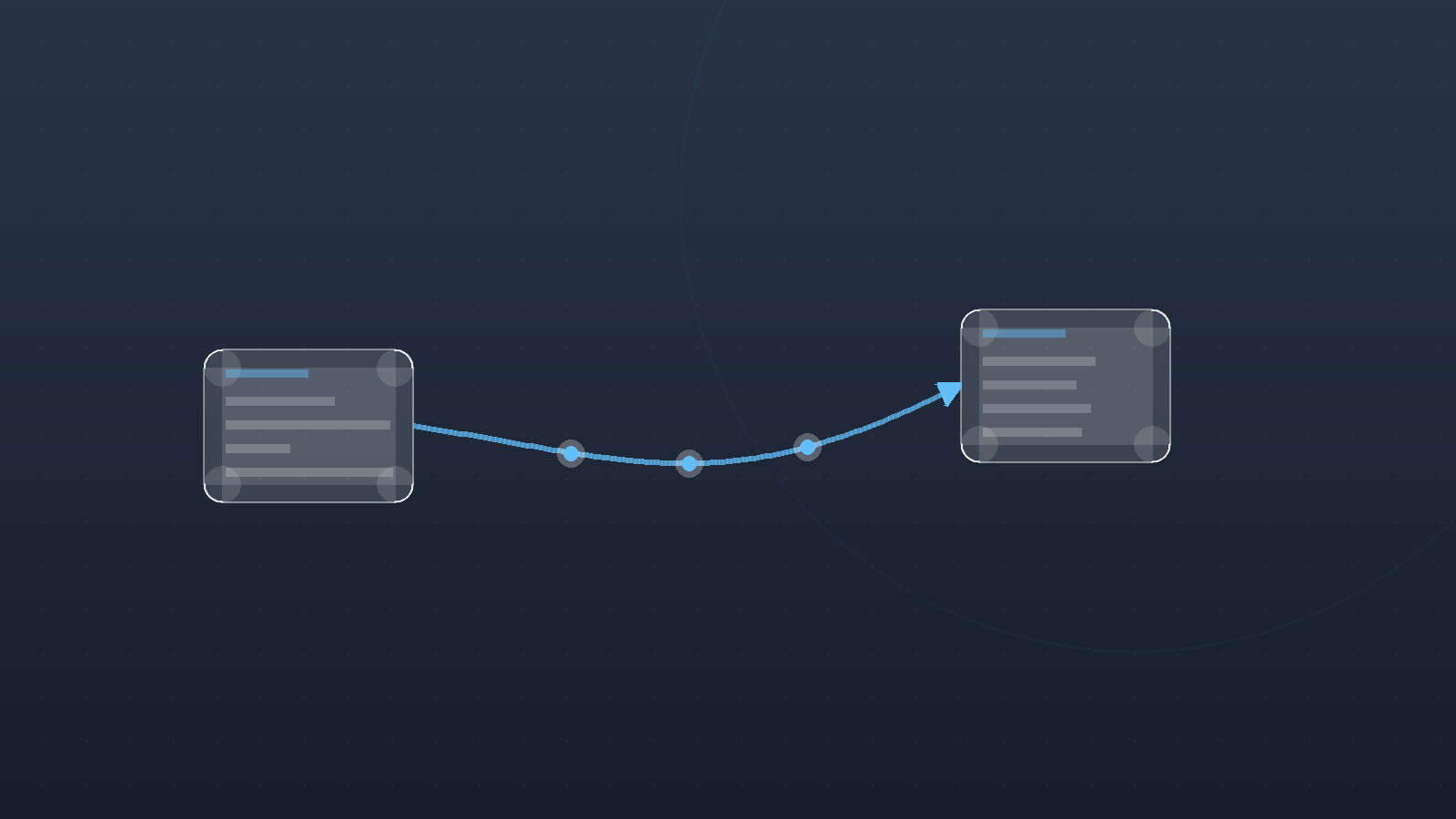
Read first, write later
The safe first version of a bridge is read-only. It exposes the legacy data as clean REST resources and changes nothing. That alone unlocks reporting, search and a CRM feed, and it lets you validate your understanding of the schema before you risk a write.
Controlled writes through a narrow surface
When writes are needed, expose the smallest possible set of operations — “set delivery date”, not “update job” — each one validated and logged. The legacy database keeps its own integrity rules; the wrapper never bypasses them with raw SQL.
The wrapper is not a source of truth
The failure mode to avoid is the bridge quietly accumulating state — a cache that becomes the real data, a status field only it maintains. Every value the wrapper serves must be traceable to the legacy system or to the platform on the other side.
Planning an integration?
Send us the two systems and the record types involved. We will come back with an outline scope and the approach we would recommend, within one working day.